HOW TO PROTECT YOUR PIPES DURING WINTER
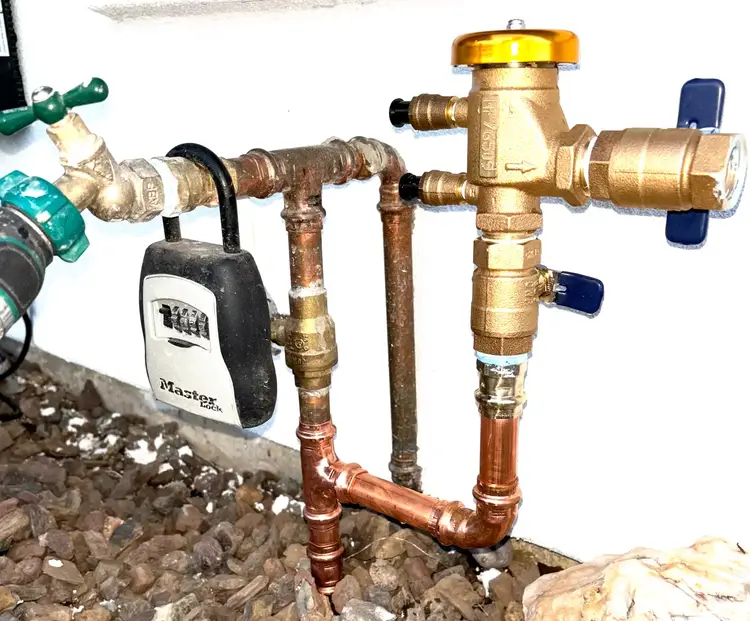
As temperatures drop, the risk of frozen and burst pipes increases dramatically. A single burst pipe can cause extensive damage to your home’s structure and lead to thousands of dollars in repairs. Taking proactive, expert-led steps to winterize your plumbing is essential for every homeowner who wants to ensure their home stays safe and dry during the cold season.
1. Insulate Exposed Pipes
Pipes in unheated areas like basements, attics, garages, and crawl spaces are most at risk when the temperature plunges. Use foam pipe insulation or fiberglass sleeves to keep these pipes warm. Focus on long runs of pipe and any joints or bends where the insulation might be thin. For added protection in extreme climates, consider wrapping vulnerable sections with UL-certified heat tape that can be plugged in during a freeze.
2. Keep Faucets Dripping
On extremely cold nights, let your faucets—especially those on exterior walls—drip slightly. This keeps water moving through the plumbing and helps relieve the pressure that can build up if water does begin to freeze inside. It’s not about the warmth of the water; it’s about providing an escape path for pressure that would otherwise cause the pipe to rupture at its weakest point.
3. Seal Gaps and Cracks
Even small drafts can introduce freezing air directly onto your pipes. Check areas where windows, doors, and electrical lines enter your home. Seal these gaps with weatherstripping, caulk, or expanding foam insulation to keep the interior warm. Don’t forget to check your foundation vents; closing them during the winter can prevent cold air from circulating in your crawl space.
4. Care for Outdoor Faucets
Disconnect, drain, and store your garden hoses before the first freeze. An attached hose filled with water can freeze and cause the pipe inside your home to burst, even if you have a "frost-proof" faucet. Shut off the interior valve to your outdoor spigots and drain any remaining water. For extra safety, install insulated foam covers over your outdoor faucets to provide an additional layer of protection.
5. Know Where Your Shut-Off Valve Is
In the unfortunate event that a pipe does burst, every second counts. Knowing exactly where your main water shut-off valve is located can save you from catastrophic flooding and structural damage. Make sure everyone in your household knows how to operate it, and test it once a year to ensure it hasn't become stuck or corroded. A quick reaction can be the difference between a small cleanup and a major disaster.
Need a Plumber?
Don't wait for a small leak to become a big problem. Our experts are ready to help.
PLUMBING EMERGENCY? WE'RE READY 24/7 TO FIX IT FAST!
Don't let leaks or clogs disrupt your home. Our licensed plumbers provide fast, reliable service, 24/7, to keep your plumbing running smoothly.